Amateur radio is a fascinating hobby that combines technology, communication, science, and community. Often called ham radio, it allows licensed operators to communicate with people locally and around the world using radio equipment and a wide variety of techniques.
Unlike listening to broadcast radio, amateur radio is interactive. You can make contacts with other operators, exchange information, experiment with antennas and electronics, participate in contests, communicate through satellites, and even make contacts with astronauts aboard the International Space Station.
What Is Amateur Radio?
Amateur radio is a radio service intended for people who are interested in radio communications and related technology. Operators use designated radio frequencies to communicate with one another without relying on the Internet or telephone networks.
Amateur radio operators can communicate over short distances using relatively simple equipment, or across continents and oceans using high-frequency (HF) radio. Depending on the equipment and frequency being used, communication can range from a few kilometres to thousands of kilometres.
One of the most appealing aspects of amateur radio is that there is no single way to enjoy the hobby. Some operators concentrate on making contacts around the world, while others are more interested in electronics, antennas, digital communications, emergency communications, or radio experimentation.

How Do You Become a Radio Amateur?
In most countries, you must obtain an amateur radio licence before transmitting on amateur frequencies. The licensing process generally involves learning basic radio theory, operating practices, regulations, and safety.
In Canada, amateur radio operators are licensed by Innovation, Science and Economic Development Canada (ISED). The basic qualification examination covers subjects such as radio and electronics theory, antennas, propagation, operating procedures, and regulations.
Once licensed, an operator receives a call sign, which uniquely identifies the station. Canadian call signs typically begin with prefixes such as VA, VE, VO, or VY.
The licence gives you the opportunity to operate your own station and communicate with other amateurs around the world.
Talking Around the World
One of the most exciting aspects of amateur radio is the ability to communicate with people thousands of kilometres away.
HF radio uses frequencies that can take advantage of the Earth’s ionosphere to propagate signals over very long distances. Under favourable conditions, an amateur station with modest power can communicate with stations on other continents.
Making a contact with another country can be as simple as exchanging call signs and signal reports. Many operators, however, enjoy longer conversations about their equipment, antennas, locations, and experiences.
Some operators collect confirmations of their contacts and work toward awards for contacting stations in different countries, regions, or provinces/states.
Local Communications
Amateur radio is not just about distant contacts. VHF and UHF radio are commonly used for local communications.
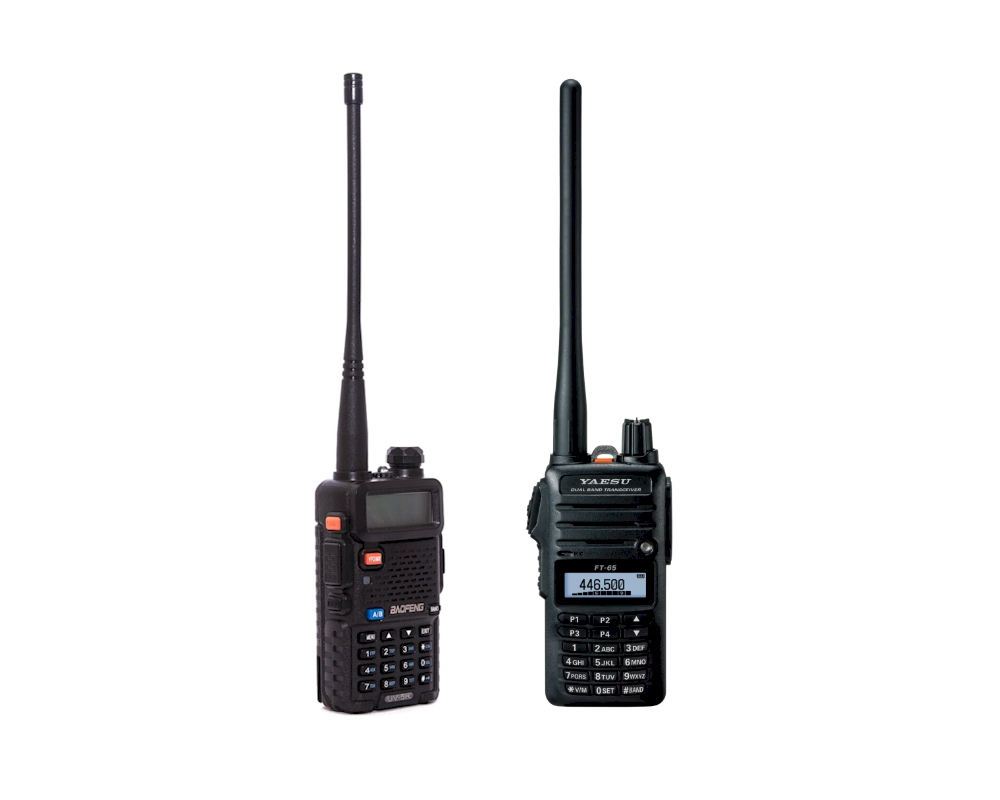
Handheld radios, sometimes called HTs (handheld transceivers), are inexpensive and portable. They can communicate directly with another nearby station or use an amateur radio repeater to extend their range.
Repeaters receive a signal on one frequency and retransmit it on another. This allows handheld and mobile operators to communicate over considerably greater distances than would normally be possible with direct radio-to-radio communication.
Digital Radio
Modern amateur radio includes many forms of digital communication.
Computers and specialized radio equipment can be used to send text and data over the air. Popular digital modes can be remarkably effective even when radio signals are weak.
Digital techniques also make it possible to exchange information automatically, track stations, communicate through networks, and experiment with new forms of radio communication.
For many amateurs, digital radio provides an excellent way to combine their interests in computers and electronics with radio.
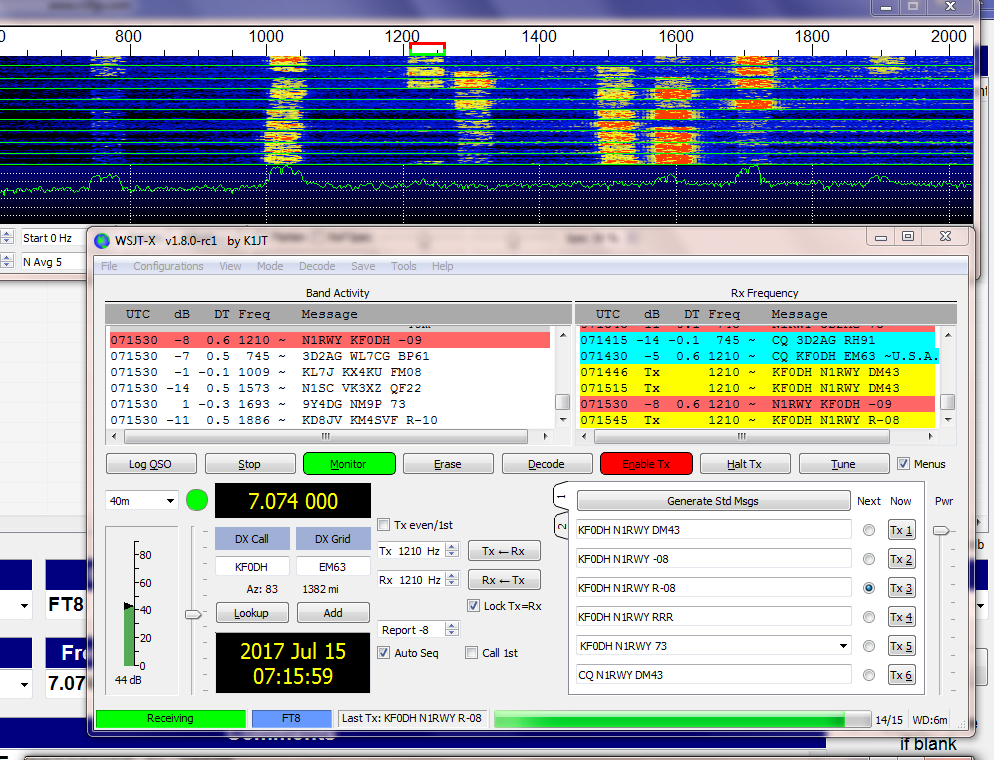
WSJT-X is a popular software application for exchanging
text using various digital encoding methods like FT-8.
What Equipment Do You Need?
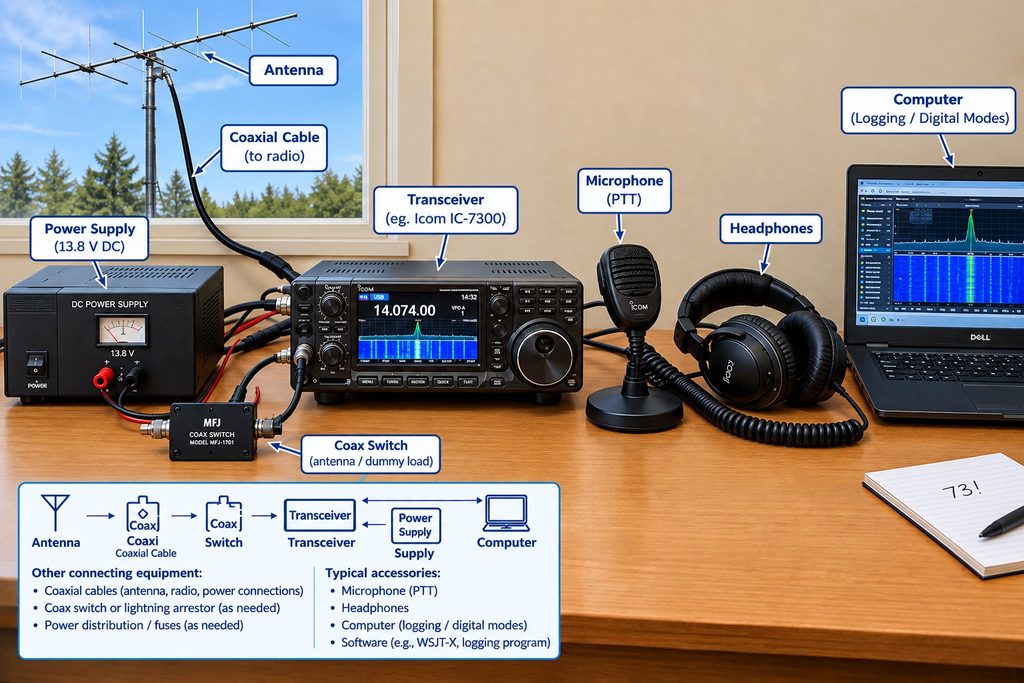
You can start with surprisingly little equipment. A basic amateur station might consist of:
A radio transceiver
An antenna
A power supply
Coaxial cable and other connecting equipment
Headphones or a microphone
The radio transceiver is used both to transmit and receive. Antennas can be as simple as a length of wire or as sophisticated as a directional antenna mounted on a tower.
A computer is not required, although computers have become an important part of many modern amateur radio stations. They can be used for digital communications, logging contacts, controlling radios, decoding signals, and communicating through amateur radio satellites.
Amateur Radio Satellites
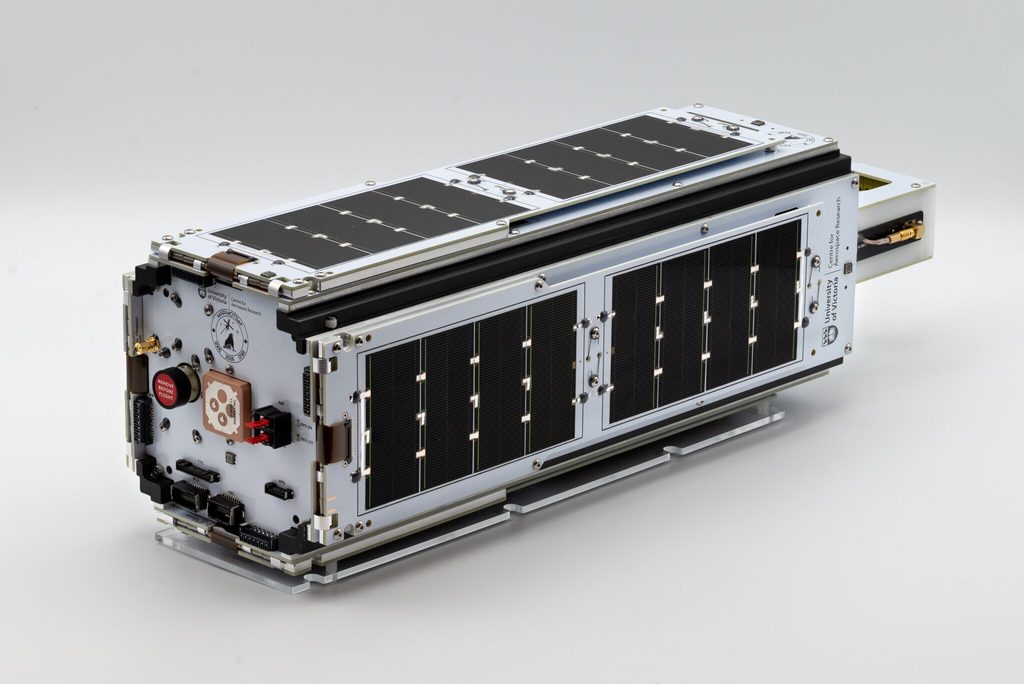
Amateur radio operators can also communicate through satellites orbiting the Earth. Some satellites carry amateur radio equipment that acts much like a repeater in space.
With suitable equipment and a good antenna, an operator can communicate with stations hundreds or thousands of kilometres away as a satellite passes overhead.
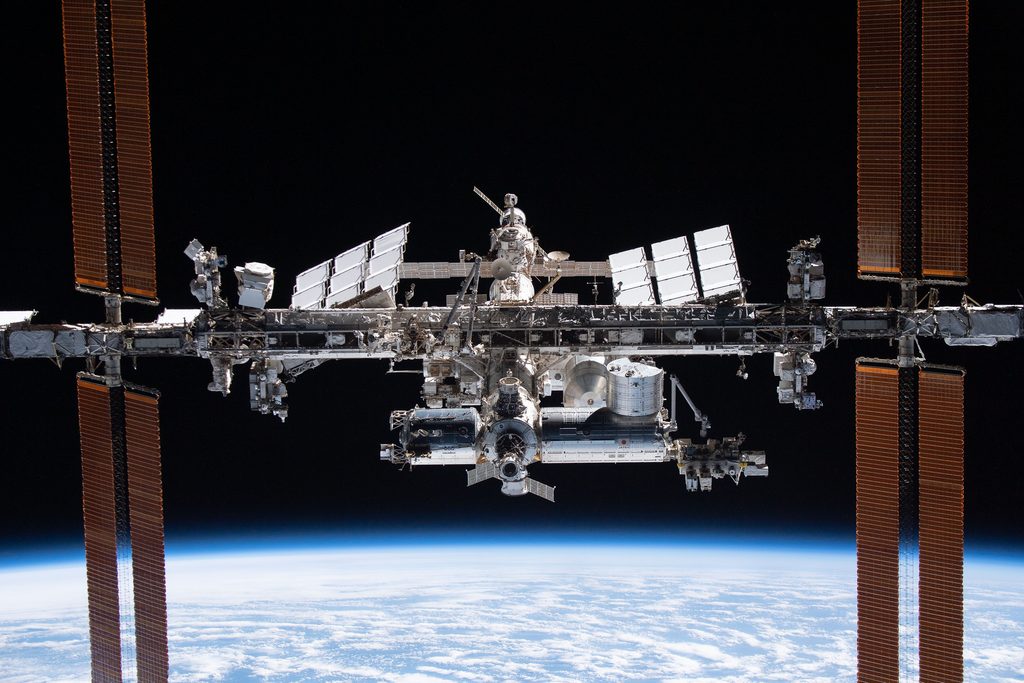
Amateur radio has even reached the International Space Station. Astronauts and cosmonauts have periodically operated amateur radio equipment aboard the station, allowing licensed amateurs and students to make radio contacts with crew members.
Emergency Communications
Amateur radio can also provide an important communications capability during emergencies.
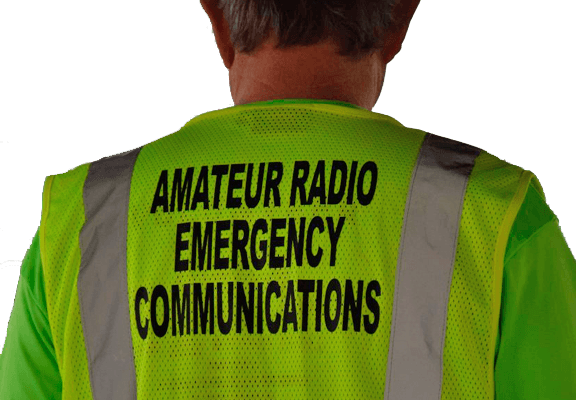
When telephone, cellular, or Internet services are unavailable or overloaded, amateur radio operators can establish independent communications using battery-powered, portable, or vehicle-mounted equipment.
Many radio amateurs participate in organized emergency communications groups and exercises. They may provide communications between emergency shelters, hospitals, command centres, or remote locations.
The ability to communicate without depending on commercial infrastructure is one of the unique strengths of amateur radio.
Experimenting and Building
Amateur radio is also an excellent hobby for people who enjoy building and experimenting.
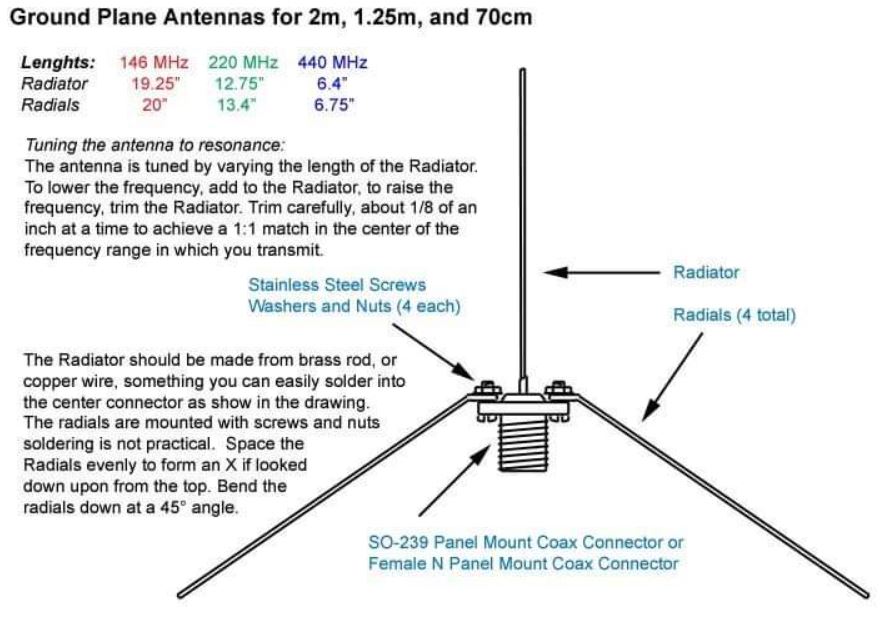
Operators can design and construct antennas, build electronic circuits, modify equipment, experiment with propagation, and develop computer software for radio applications.
You don’t have to be an electronics engineer to get started. The hobby provides opportunities to learn at virtually every level, from simple antenna projects to sophisticated software-defined radios and digital communication systems.
A Worldwide Community
Perhaps the most rewarding part of amateur radio is the community.
A radio contact can introduce you to people from almost anywhere in the world. Operators often exchange QSL cards or electronic confirmations to commemorate their contacts.
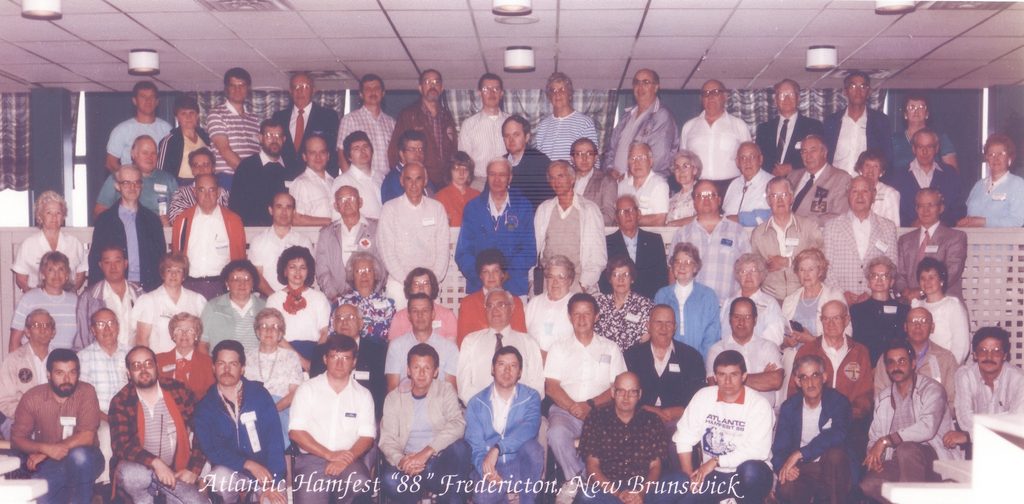
Local amateur radio clubs provide another way to get involved. Clubs often organize meetings, training courses, radio demonstrations, field days, contests, technical workshops, and social events.
Experienced operators are generally happy to help newcomers learn how to set up their stations and get on the air.
Okay… Lets Go !
If amateur radio sounds interesting, the best place to start is by joining the Fredericton Amateur Radio Club or your local club.
In Canada, you can begin by studying for the Amateur Radio Operator Certificate examination. Once you have your qualification and call sign, you can choose equipment based on the type of operating that interests you.
You don’t need an expensive station or a large antenna to enjoy the hobby. Many amateurs begin with a simple handheld radio or a modest HF station and gradually expand their equipment as their interests develop.